




Best Sellers

Spitfire Spitball Snapback RED Black

Spitfire Snapback Eternal Fill Olive

Spitfire Eternal Fill Snapback Black

Spitfire Snapback Classic 87 Swirl Black Grey

Volcom Camicia V Entertainment Lp Woven

Volcom Camicia RED Caden Plaid

Camicia Volcom Skate Vitals Axel

Carhartt Camicia Master Shirt S/S Black

Carhartt Felpa Hooded Script Embroidery Cypress Black

Felpa Polar Frank Black

Felpa Polar Skate Girocollo Dave

Felpa Propaganda White Logo Hoodie
Best Sellers

Propaganda Swim Trunk Taxi

Maglietta Propaganda Label Bianca

Pantalone Propaganda Signature Cargo Camo Sweat Pant

Propaganda Trunk Cannibal Scarful

Maglietta Propaganda Bianca Logo Steel

Propaganda Pantalone Signature Cargo Black Sweat Pant

Propaganda Logo Nightmare Beanie Black

Propaganda Triangle Panther Basket Shirt Black

Propaganda T-Shirt Logo Classic Aurora

Propaganda Apocalipse T-Shirt Nera

Maglietta Propaganda Uomo Bianca Embroidery

Pantalone Propaganda Logo Vertical Sweat Black

Propaganda Felpa Ribs Tiger Hoodie White
Felpa Propaganda White Logo Hoodie

T Shirt Propaganda Logo Black White

Propaganda Rugby Jersey Tee University

Propaganda Nessun Dorma TEE Black

Propaganda Ribs Classic Maglietta Nero
I nostri brand


OUT of Open Black Green MCI Double Lens Storm

Thirty TWO TM 3 Jacket Black Olive

Dickies Bermuda 13IN Pocket Khaki

Bullet Safety Gear Pink Combo Padset JR

X Large T Shirt International White

Polar Skate T-Shirt Life in A Bubble Deep Royal Blue

Thrasher Vortex T-Shirt X TOY Machine

Thrasher B.t.h. T-Shirt White

Felpa Girocollo Thrasher X Anti Hero Pigeon Mag Dark Chocolate

Polar Skate BIG BOY Short MUD Brown

Polar Sweater Ivan Halfzip Wine
Propaganda Triangle Panther Basket Shirt Black
Streetwear


Streetwear: History, Culture and Urban Fashion Since 1999
Streetwear is more than fashion. It is part of modern youth culture. It is music, skateboarding, sneakers and self-expression. For more than forty years this movement has changed the way young people dress and communicate around the world.
What started in the streets eventually became one of the strongest forces in modern fashion. Oversized hoodies, graphic tees, baggy pants, sneakers, shirts and workwear jackets are now part of global youth culture. Today these pieces appear everywhere. In skateparks. In music videos. On social media. Even on luxury runways.
Before hype culture and luxury collaborations, this world was something real. It belonged to skaters, rappers, surfers, DJs and graffiti writers. Young people used clothing to express identity, creativity and independence outside traditional fashion rules.
This movement did not begin inside luxury boutiques or fashion houses. It was born in skateparks, basketball courts, underground clubs and city streets. It grew naturally through music, skateboarding and independent communities. That raw energy helped create a style that felt authentic and different from mainstream fashion.
People connected with this culture because it felt authentic. People were not trying to follow trends. They were building their own style through everyday life, underground scenes and creative culture. Clothing became a way to represent personality, attitude and lifestyle.
Over time, this culture became much bigger than underground fashion. It influenced sneakers, luxury brands, music culture and even modern advertising. Many trends seen in fashion today originally came from skateboarding and underground culture years earlier.
At Pleasures Milano we have lived this world since 1999. We experienced it through skateboarding, underground music, independent brands and real communities built over decades. For us, streetwear has never been only about clothing. It has always represented freedom, creativity and individuality.

What Is Streetwear and Why Did It Change Global Fashion?
This culture started in the streets. Not on fashion runways. Not inside luxury boutiques. Real people built this culture long before the fashion industry noticed it.
Skateboarding helped shape the movement from the beginning. Hip hop added attitude and energy. Punk brought rebellion and DIY creativity. Surf culture, basketball and graffiti also played a huge role. Together, these scenes created a completely new style.
Each culture changed the way people dressed. Skateboarding introduced loose fits and durable clothing. Hip hop pushed oversized silhouettes and sneakers. Graffiti added bold graphics and visual identity. Music connected everything together.
People loved this world because it felt real. There were no strict fashion rules. Oversized hoodies, loose denim, shorts cargo pants and graphic tees became symbols of individuality. Clothing became part of lifestyle and self-expression.
This culture also changed modern fashion. Luxury brands eventually noticed what was happening in the streets. Sneakers, oversized fits and workwear slowly entered mainstream fashion and luxury collections.
At the same time, independent skate shops and underground stores became cultural hubs. Young people discovered music, videos, magazines and new brands inside these spaces. Communities became more important than traditional advertising.
Today this culture exists everywhere. Its influence can be seen in sneakers, luxury fashion, music videos and social media. What started in skateparks and city streets eventually changed global fashion forever.

The Origins of Streetwear: Skateboarding, Hip Hop and Punk
Modern street culture started during the late 1970s and early 1980s. Cities like New York and Los Angeles became creative hubs for music, skateboarding and youth culture.
In New York, hip hop was growing fast. DJs, MCs, graffiti writers and breakdancers created a completely new style. Sneakers, tracksuits and oversized clothing became part of everyday life. Fashion reflected confidence, rebellion and individuality.
At the same time, punk culture was spreading through underground clubs and local music scenes. Punk rejected traditional fashion. People wore ripped clothing, graphic t-shirts and DIY pieces. The goal was simple. Stand out and reject the mainstream.
Meanwhile in California, skateboarders and surfers were building their own visual identity. Skaters needed clothing that felt comfortable and durable. Loose jeans, hoodies, graphic tees and low-top sneakers became essential for daily skate sessions.
These outfits were practical, but they also helped shape modern street fashion. Skateboarding introduced a more relaxed and authentic approach to clothing. Style was never forced. It developed naturally through skate videos, local skate shops and underground communities.
Skate culture also changed the fashion industry itself. Independent skate brands became powerful cultural references for young people worldwide. Many trends that are common today originally came from skateboarding during the 1980s and 1990s.
Over time, hip hop, skateboarding, punk and surf culture slowly merged together. These scenes created the foundation of modern streetwear. The movement was never born inside fashion corporations or luxury houses. It came directly from real communities and everyday street life.

The Brands That Changed Modern Street Culture
During the late 1980s and early 1990s, several brands helped shape the future of streetwear. One of the most important names was Shawn Stussy. He started as a surfer in California. At first, he printed his signature on surfboards. Later, he began using the same logo on t-shirts and apparel.
That handwritten logo quickly became one of the most recognizable symbols in street culture. Stussy mixed surf culture, skateboarding, music and urban fashion into one completely new concept. The brand spread worldwide and inspired an entire generation of independent labels.
At the same time, workwear brands like Carhartt started becoming popular inside skateboarding and hip hop communities. Originally designed for workers, Carhartt pieces became famous for durability and oversized fits. Skaters, artists and rappers adopted the brand naturally because the clothing felt practical, resistant and authentic.
Dickies followed a similar path. The company originally focused on workwear, but loose pants, durable fabrics and relaxed silhouettes perfectly matched the needs of skateboarders and underground youth culture. Over time, Dickies became deeply connected to street style worldwide.
During the 1990s, many independent skate brands also started growing rapidly. Skate shops became cultural hubs where people discovered music, videos, magazines and new fashion influences. These stores helped spread urban culture far beyond local skate scenes.
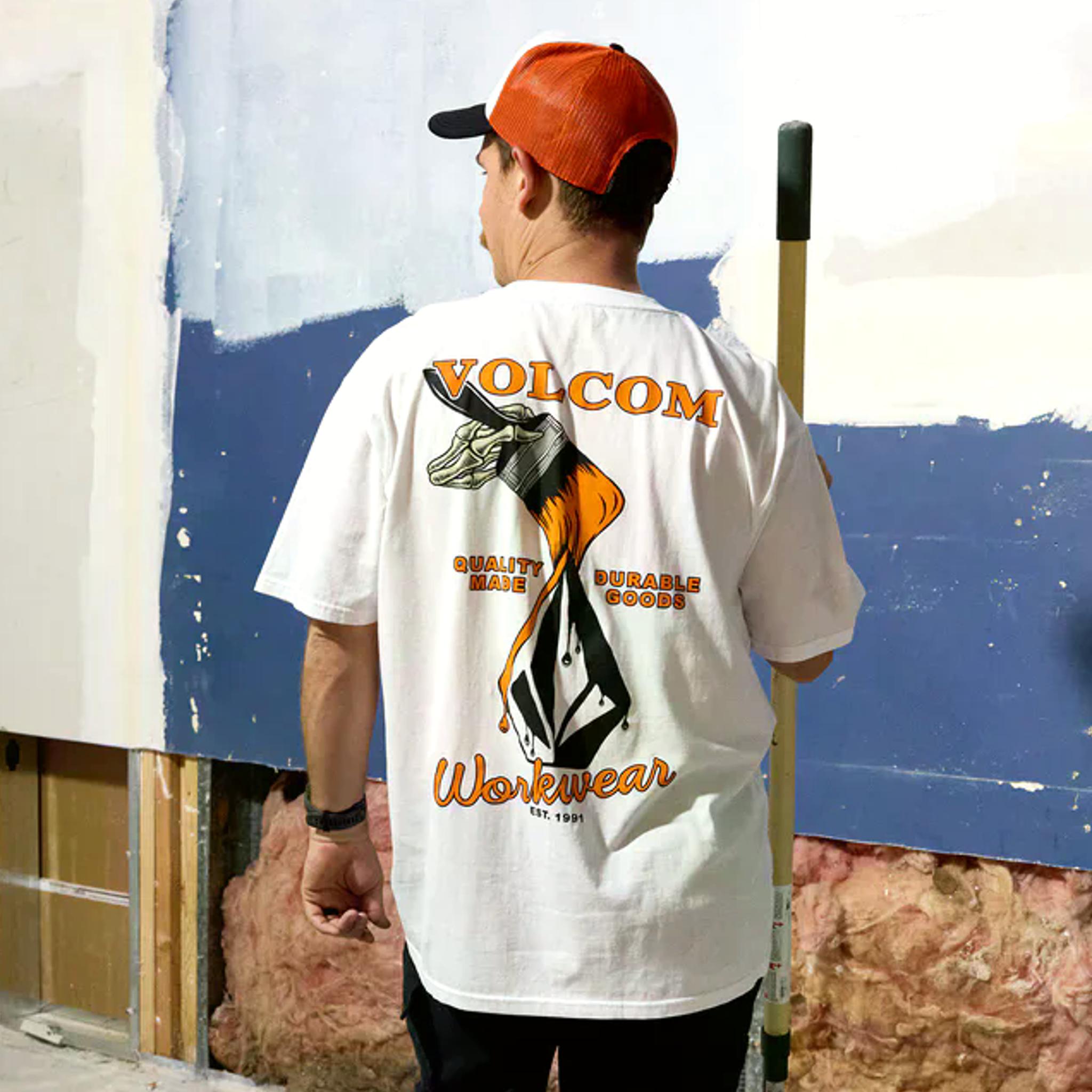
Among the brands that have helped define the connection between skateboarding, surfing, and streetwear, Volcom has also played a significant role in spreading boardriding culture internationally.
Skateboarding influenced modern streetwear more than many luxury companies ever did. Independent brands shaped trends naturally through skate videos, street photography and underground communities. Their influence can still be seen in modern fashion today.
Japanese streetwear also changed the industry forever during the 1990s. Brands from Tokyo introduced a different vision of street fashion. They mixed American vintage inspiration with premium materials, detailed craftsmanship and limited production runs.
This approach helped transform streetwear from underground culture into collectible fashion. It also introduced a new level of exclusivity and creativity that later influenced global fashion brands around the world.

Oversized Fits, Sneakers and Modern Urban Style
Modern urban fashion is the result of decades of cultural evolution. Today oversized hoodies, cargo pants, loose denim, varsity jackets and sneakers are recognized globally, but these styles originated from practical and cultural needs rather than fashion trends.
Oversized fits became popular partly because they reflected comfort and freedom of movement. In skateboarding, tighter clothing restricted movement and wore out faster. Loose silhouettes were more functional and naturally became part of skate aesthetics.
Sneakers also became central to the identity of urban culture. Shoes were no longer just functional products. They became symbols of belonging, creativity and cultural influence. From basketball sneakers to skate shoes, footwear helped define entire generations.
Models like Vans Old Skool, Nike SB Dunk, Adidas Superstar and Air Force 1 became iconic not only because of their design but because of the communities connected to them. Music, skateboarding and street culture transformed sneakers into cultural objects.
Graphic t-shirts also played a major role. Skate brands, punk bands and underground artists used graphics to communicate messages, humor and political ideas. Clothing became a canvas for creativity rather than just a commercial product.
Today modern street fashion continues evolving by mixing vintage influences, technical apparel, skatewear, luxury fashion and contemporary design. Modern street fashion constantly reinvents itself while still maintaining strong roots in underground culture.

Skateboarding and the Rise of Modern Streetwear
Modern urban fashion would not exist without skateboarding. Skate culture changed fashion for decades. It changed the way people dressed. It also changed the way young people expressed themselves.
Skaters never tried to create trends. Their style came naturally from everyday life. They needed clothing that felt comfortable, durable and easy to move in. Loose pants became popular because they worked for skating. Heavy hoodies protected skaters during long sessions. Low-top sneakers improved board feel and grip.
Graphic tees also became part of skate culture very early. Skaters used clothing to show personality, music taste and attitude. Most outfits were simple, practical and authentic.
The streets became a runway long before fashion magazines noticed skateboarding. Young skaters built their own identity through local communities, skate videos and independent brands. Their style looked real because it came from real experiences.

Streetwear and skateboarding: the connection that changed everything
Skateboarding also introduced a different mentality into fashion. Authenticity mattered more than perfection. Creativity mattered more than status. Independent skate brands became symbols of freedom and individuality during the 1990s and early 2000s.
Skate videos had a huge impact on youth culture. VHS tapes and skate magazines spread fashion trends around the world. Young people copied tricks, shoes, music and clothing directly from professional skaters.
Many modern trends originally came from skate culture. Loose denim, workwear jackets, oversized hoodies and skate shoes all became mainstream because of skateboarding. Even luxury brands eventually started taking inspiration from skate style.
Local skate shops also played a huge role. They became meeting points for music, clothing, videos and underground culture. These spaces helped create strong communities long before social media existed.
At Pleasures Milano, skateboarding has always been part of our identity. Our vision comes directly from years spent inside skate culture and independent scenes. For us, skateboarding is more than a sport. It is one of the foundations of modern street culture.

Milan and the Evolution of Italian Urban Culture
Milan has always been one of Europe’s most important fashion capitals. But beyond luxury fashion and designer boutiques, the city also developed a strong underground culture over the decades. Music, skateboarding, graffiti and youth movements all helped shape Milan’s urban identity.
During the 1980s, different subcultures coexisted throughout the city. Punk communities, skaters, hip hop crews and underground artists created a completely different side of Milan. Young people were searching for new styles, new music and new ways to express themselves outside traditional fashion culture.
At the same time, the city started absorbing influences coming from the United States. Skateboarding, hip hop and street culture slowly entered Italy through music, magazines, VHS tapes and independent stores. These influences changed the way many young people dressed during the late 1980s and early 1990s.
Throughout the 1990s and early 2000s, Milan became increasingly connected to international skateboarding and streetwear scenes. Independent stores introduced global brands to Italian audiences while local communities developed their own visual identity and personal style.
Unlike traditional luxury fashion districts, underground scenes in Milan grew through music, skateboarding and real social connections. Small independent shops became cultural meeting points rather than simple retail spaces. People discovered sneakers, magazines, skate videos, graphic tees and underground brands inside these stores.
Skateboarding played a huge role in the evolution of Italian urban culture. Skate shops helped spread new aesthetics, oversized fits, workwear influences and sneaker culture throughout the country. Many young people discovered street fashion directly through skateboarding communities.
Milan also became one of the first Italian cities where global skate and streetwear brands started building strong underground followings. The city mixed luxury fashion influence with raw street culture, creating a unique identity that still exists today.
Pleasures Milano was born directly inside this environment. Since 1999 we have supported authentic skateboarding and urban culture through carefully selected brands, independent projects and strong connections to underground communities. Our vision has always been connected to real culture, creativity and individuality rather than temporary trends.

Aiko, Urban Warrior and the Evolution of Milan’s Underground Scene
During the early 2000s, Pleasures Milano did more than simply sell streetwear and skate brands. We also created independent projects that became deeply connected to Milan’s underground culture and youth identity. Two of the most important were Aiko and Urban Warrior.
At that time, skateboarding, hip hop and urban culture were growing rapidly across Italy. Young people were searching for something different from traditional fashion stores and commercial brands. The scene felt raw, creative and authentic. Aiko and Urban Warrior were born directly inside that environment.
Aiko quickly became much bigger than a local project. What started in Milan slowly expanded across Italy and later reached other European countries. Over the years, Aiko products were sold not only in Italy, but also in Germany, Austria, Holland and several other parts of Europe. The brand even reached places like Hong Kong and Australia during its growth.
The famous “Death Or Glory” hoodies became especially iconic during that period. Skaters, writers, musicians and underground communities connected strongly with the graphics, oversized fits and identity behind the brand. Aiko represented a real moment in European street culture during the early 2000s.
Urban Warrior followed a slightly different direction. The project remained much more connected to Milan’s underground scene and local skate culture. T-shirts, belts and accessories became extremely popular inside the city.
Thousands of belts and graphic pieces were sold throughout those years, helping build a strong visual identity connected to Milan’s skateboarding and urban communities.

From Local Underground Projects to International Street Culture
These projects were never created as corporate fashion brands. They were built through skateboarding, underground music, street culture and years spent inside real communities. That authenticity created a strong connection with an entire generation of young people who lived those years firsthand.
At the time, social media did not exist in the way it does today. Brands grew through skate shops, local communities, magazines, word of mouth and underground scenes. The success of Aiko and Urban Warrior came naturally because people genuinely connected with the culture behind the projects.
This experience became an important part of Pleasures Milano itself. Creating and distributing independent apparel across different countries gave us a deeper understanding of skateboarding, streetwear and youth culture. It also showed us how powerful authentic communities can become when they grow naturally through passion and creativity.
Even today, many people still remember those collections and graphics as part of a specific moment in Milan’s underground history.
For Pleasures Milano, that period was not only about selling clothing. It was about building culture, supporting creativity and contributing to a real scene that existed long before streetwear became mainstream fashion worldwide.

How to Build a Modern Streetwear Fit
A strong streetwear fit should feel natural. It should not look forced. The best outfits usually start from simple pieces. Then you build the style with shape, sneakers and attitude.
Start with the fit. Oversized hoodies, loose pants and graphic tees work well because they give the body more movement. They also create a relaxed look. This is one of the biggest links between skateboarding, hip hop and modern street style.
Proportion is important. Wide pants need the right top. A hoodie can work. A long sleeve tee can work too. A clean jacket can make the outfit stronger. The goal is balance. Not every piece has to be oversized.
Sneakers often define the whole outfit. Skate shoes give a more raw look. Retro basketball shoes feel more classic. Simple sneakers make the fit cleaner. Shoes can change everything, even when the clothes stay basic.
Layering also helps. A long sleeve under a t-shirt adds depth. A sweater under a jacket makes the outfit more complete. A beanie, cap or a backpack can finish the look without making it too heavy. The best streetwear outfits feel personal. They mix comfort, culture and real life. They are not perfect. They are authentic.

Oversized Fashion, Baggy Fits and Modern Street Style
Oversized fashion became one of the strongest parts of modern street style. It came from real life. Skaters needed comfort. Hip hop pushed bigger shapes. Young people wanted clothes that felt free.
Baggy pants became popular for a reason. They were comfortable. They allowed movement. They worked for skating, dancing and everyday city life. Loose denim, cargo pants and carpenter pants all became part of the same language.
Oversized hoodies also became essential. They were warm, easy to wear and strong visually. Graphic tees followed the same path. They gave people a way to show music taste, attitude and identity.
Workwear had a big influence too. Durable jackets, heavy fabrics and utility pants moved from job sites into street culture. These pieces felt real. They were practical before they became fashionable.
The key is balance. Oversized does not mean messy. Wide pants can work with a clean hoodie. A big jacket can work with simple sneakers. The outfit needs shape. It needs flow.
Today relaxed fits are everywhere. Skate brands use them. Luxury brands use them. Independent labels use them too. What started as practical clothing became one of the main codes of modern streetwear.

Sneaker Culture and Modern Urban Fashion
Sneakers are a major part of streetwear culture. At first, they were made for sport. Basketball, running and skateboarding helped shape them. Then music and youth culture made them iconic.
In the 1980s and 1990s, sneakers became more than shoes. Hip hop made them visible. Basketball made them legendary. Skateboarding made them practical and raw. Young people started using sneakers to show style and identity.
Some models became cultural symbols. Adidas Superstar, Nike Air Force 1 and Vans Old Skool crossed generations. They were worn in music videos, skate videos and city streets. They became part of everyday culture.
Skateboarding changed sneaker design. Skaters needed grip. They needed durability. They needed board feel. That is why skate shoes became stronger, flatter and more functional.
Nike SB changed the game in the early 2000s. Limited releases and skate shop drops created a new kind of hype. Sneakers became collectible. They also became connected to community.
Brands like Vans, DC Shoes, DVS, Osiris, globe and Emerica shaped the look of skate shoes in the 90s and 2000s. Chunky shapes, padded tongues and technical details became part of youth style. Today sneakers still drive streetwear. They connect fashion, music, sport and skate culture. A good pair can define the whole outfit.

Pleasures Milano: Authentic Streetwear Since 1999
Pleasures Milano has lived and supported skateboarding, sneakers and underground culture since 1999. From the beginning, our vision was never limited to fashion alone. We wanted to build a space connected to real communities, independent culture and authentic street style.
Over the years, our store became a meeting point for skaters, riders, artists, musicians and people searching for something different from mainstream fashion. Skateboarding, music and urban culture have always been part of our identity and continue to influence everything we do today.
Throughout the decades we have selected brands connected to creativity, individuality and street culture rather than temporary trends. Sneakers, skate shoes, hoodies, graphic tees and workwear all became part of a bigger lifestyle built around authenticity and self-expression.
Even today, our mentality remains the same. We continue supporting independent culture through carefully selected apparel, footwear and brands connected to skateboarding and underground scenes worldwide.
For us, this culture is more than clothing. It represents creativity, freedom, community and identity. That mentality has guided Pleasures Milano since 1999 and still represents the core of everything we do today.